
Client Spotlight: KUDO
When global organisations think about inclusive communication, they turn to KUDO Inc. Founded in 2017, the New York-based technology company enables …
Read more
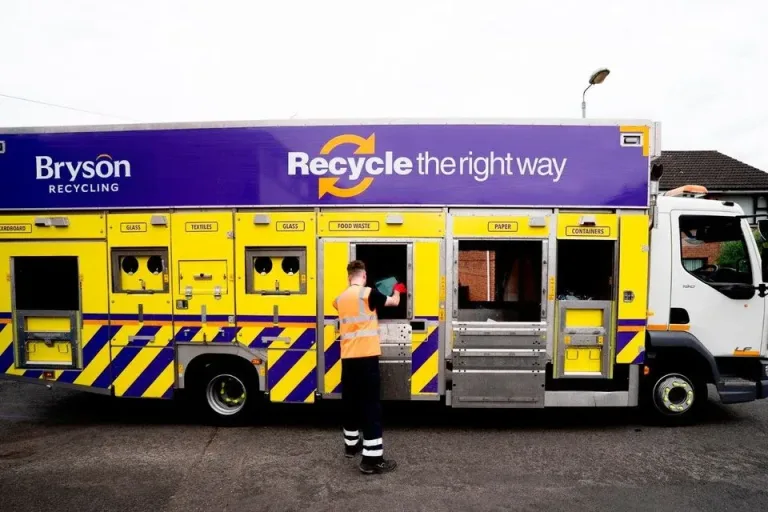
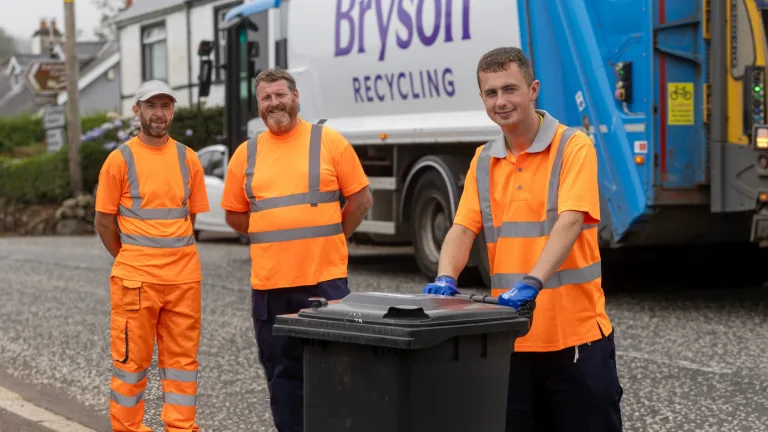
Bryson Recycling is the UK’s largest social enterprise in waste management, delivering a wide range of services, including kerbside collections, household recycling centres and bulky collections waste across Northern Ireland, Ireland and Wales. With a strong commitment to local recycling, resource reuse and the circular economy, the organisation plays a critical role in reducing waste to landfill and keeping materials in use for longer. Profits are donated to Bryson Charitable Group, supporting social programmes that deliver lasting benefits for communities, ensuring environmental impact goes hand in hand with social value.
As part of its continued commitment to sustainability and transparency, Bryson Recycling has been working closely with Carbonfit to better understand its carbon footprint and establish a robust, data-led baseline to inform future action.
Given the scale and operational nature of Bryson Recycling’s services, transport is central to day-to-day activity. The organisation currently operates a fleet of 10 diesel vans, 62 diesel trucks and one electric vehicle, making fleet fuel consumption a critical focus area when assessing emissions.
Through collaboration with Carbonfit, Bryson Recycling gathered, reviewed and validated operational data to complete its Scope 1 and Scope 2 carbon footprint, creating a clear picture of current emissions and priority areas for reduction. This work also complements existing internal governance structures, including an internal management policy supported by a Green Team, helping to embed sustainability thinking across the organisation.
The carbon footprinting exercise revealed that Bryson Recycling’s Scope 1 and Scope 2 emissions total 1,588.40 tCO₂e. As expected for a transport-intensive organisation, road diesel usage accounts for 72% of total emissions, clearly identifying fleet operations as the largest contributor. Electricity use represents a further 15% of total Scope 1, 2 and 3 emissions, highlighting opportunities to improve energy efficiency and explore longer-term energy transition options.
At this stage, Scope 3 emissions have not yet been calculated, meaning indirect emissions across the value chain remain to be assessed. This presents an important next step in developing a comprehensive decarbonisation strategy that extends beyond direct operations and into suppliers, partners and service users.
With a verified baseline now in place, Bryson Recycling is well positioned to move from measurement to action. Working alongside Carbonfit, the organisation has identified the importance of reviewing proposed low carbon projects, exploring relevant grant and funding opportunities, and commencing a structured Scope 3 inventory to support future reporting and reduction planning.
Ongoing monitoring of Scope 1 and Scope 2 emissions will allow Bryson Recycling to track progress year on year, while regular reviews of carbon intensity metrics will ensure short- and long-term Net Zero ambitions remain grounded in real operational performance. Equally important is continued stakeholder engagement, sharing targets and progress internally to build a culture of informed, empowered Net Zero champions across the organisation.
By combining its leadership in the circular economy with a structured, data-led approach to carbon management, Bryson Recycling is laying the foundations for a Net Zero journey that delivers both environmental and social value. Through its work with Carbonfit, the organisation now has the insight and clarity needed to target emissions where impact will be greatest, supporting operational resilience while continuing to create positive outcomes for communities.